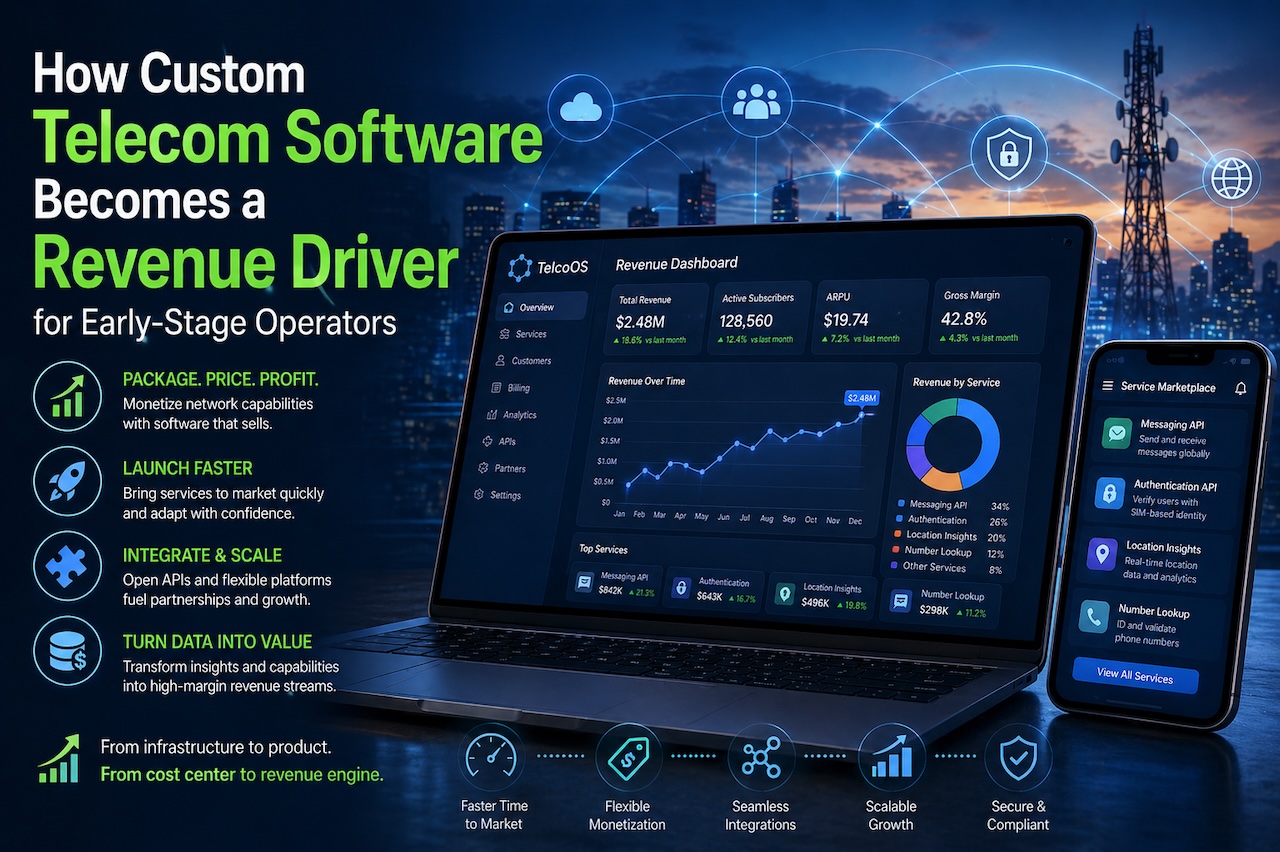
For years, technology inside a business was something you “set up” and then maintained. You installed systems. You hired IT staff. You fixed problems when they appeared. It was largely reactive. But that mindset no longer works. Today, technology is not just part of the business — it is the business. From customer experience to internal operations, nearly every function depends on digital systems working seamlessly. As a result, companies are rethinking how they manage technology. They are moving away from reactive support models and toward proactive, structured systems designed for performance, security, and growth.
Online access tools are no longer limited to developers and security teams working on niche infrastructure. Today, marketers, analysts, sellers, researchers, and private users often need a mobile proxy when a task depends on a more natural network source and stronger trust signals. This article explains how mobile proxies work, where they perform best, how they compare with other proxy types, and the practical advantages they offer in real-world workflows. It also includes selection advice, setup steps, and clear recommendations for using mobile connections more effectively. ✨
Modern online work often depends on access that looks natural, stays flexible, and adapts to changing locations or platforms. In that environment, a mobile proxy is often viewed as one of the most practical tools for users who need traffic routed through real mobile carrier networks instead of standard server infrastructure. This article explains how mobile proxies work, why they are used in different digital tasks, and how they compare with other proxy categories in terms of trust, speed, and cost. It also covers practical recommendations, common mistakes, step-by-step setup logic, and the key strengths and limitations to consider when choosing a provider. Readers who want clearer decision-making will find both structured explanations and usable advice here ✨
For many organizations, external exposure grows faster than internal teams realize. New public IP ranges are allocated, cloud services are deployed, remote access is enabled for contractors, web applications expand, APIs multiply, and third-party platforms are connected to core business processes. Each change may look manageable on its own. The problem is that internet-facing risk rarely emerges from one asset in isolation. It develops across connected systems, inherited trust, and overlooked attack paths.
Discover the best gadget reviews of 2026 across smartphones, wireless earbuds, smart TVs, laptops, headphones, and more. Expert buying guides and honest comparisons to help you choose the perfect device without the usual hassle.
You’re sitting in a dental chair, staring at a screen displaying a high-resolution image of your tooth. Your dentist zooms in, rotates the scan, and points to something you can barely see—a tiny infection deep inside.
Data scraping has evolved from a niche technical activity into a core business function. Companies rely on large-scale data collection for market intelligence, pricing analysis, SEO monitoring, and competitive research. However, as demand for data has increased, so has the sophistication of anti-bot protection systems.
A firewall is one of the first things a small business buys when someone tells them they need better security. It gets installed, the network comes back online, and everyone moves on. That moment — when the firewall is "done" — is exactly where most small businesses start getting it wrong.
Web tools are no longer limited to static lookups, rule-based automation, or narrow search functions. Developers today are building products that must interpret user intent, summarize content, generate structured responses, and automate repetitive tasks, all with far greater flexibility. That shift is one reason the GPT 5.4 API is attracting attention from teams building modern online tools and workflow systems.
If you’ve been around Old School RuneScape for a while, you already know how chaotic the gold market can be. Some sites are legit; others disappear overnight, and many feel a bit sketchy. LuckyCharmGold is one of the names that keeps coming up, so I decided to take a proper look at it.
At IPLocation.net, we prioritize the privacy and security of our visitors. We want you to feel confident and comfortable when browsing our website. That's why we want to assure you that we do not sell or share any personal information collected from our website.
Your trust is important to us. Whether you're browsing our site for information, or engaging with our content, rest assured that any data you provide remains strictly confidential. We adhere to stringent privacy policies and comply with all relevant regulations to safeguard your information.
Your privacy matters, and we are committed to maintaining the highest standards of data protection. If you have any questions or concerns regarding our privacy practices, please don't hesitate to reach out to us.