Blog Category


Custom Healthcare Software

The healthcare industry is undergoing a rapid digital transformation. From electronic medical records to AI-driven diagnostics and remote patient monitoring, modern technology is at the heart of improving patient outcomes and streamlining workflows. At the core of this revolution is custom healthcare software development, the tailored creation of digital solutions that address the unique needs of healthcare providers, clinics, hospitals, and medtech startups.
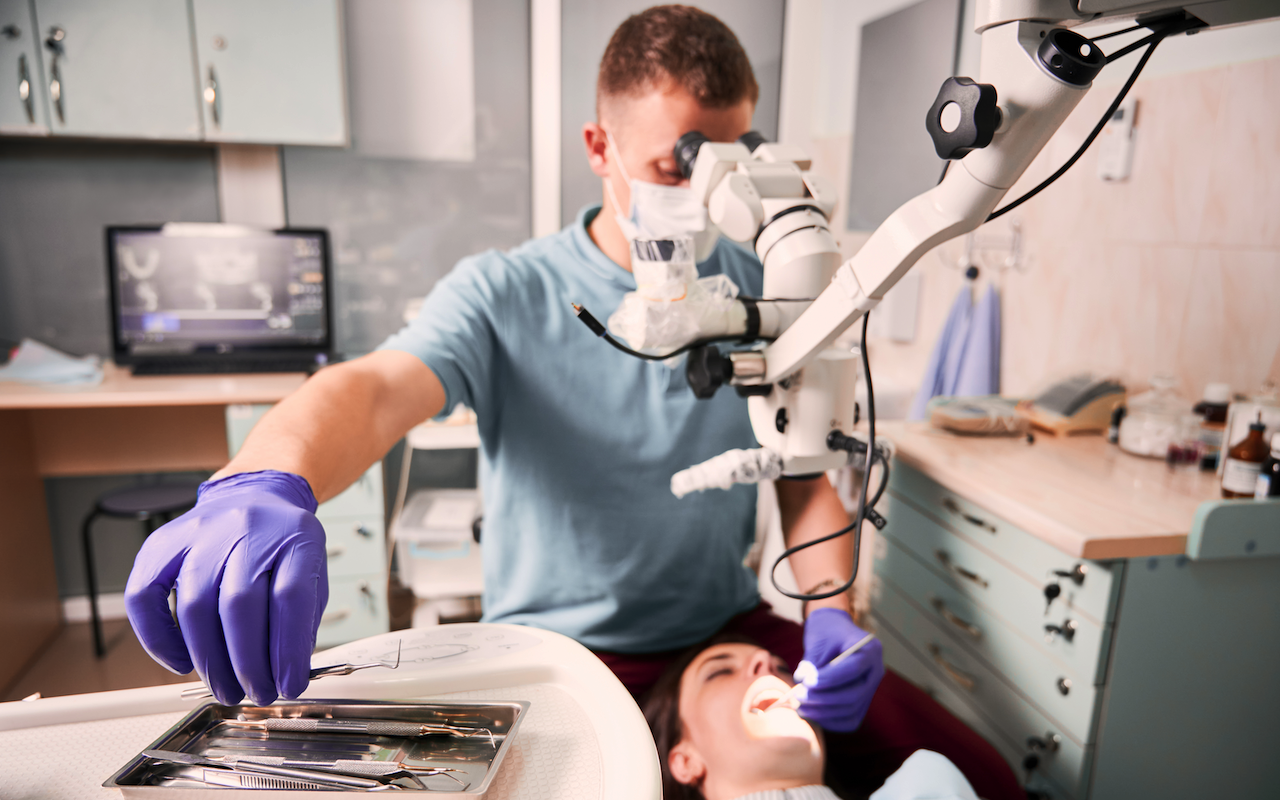

Endodontist

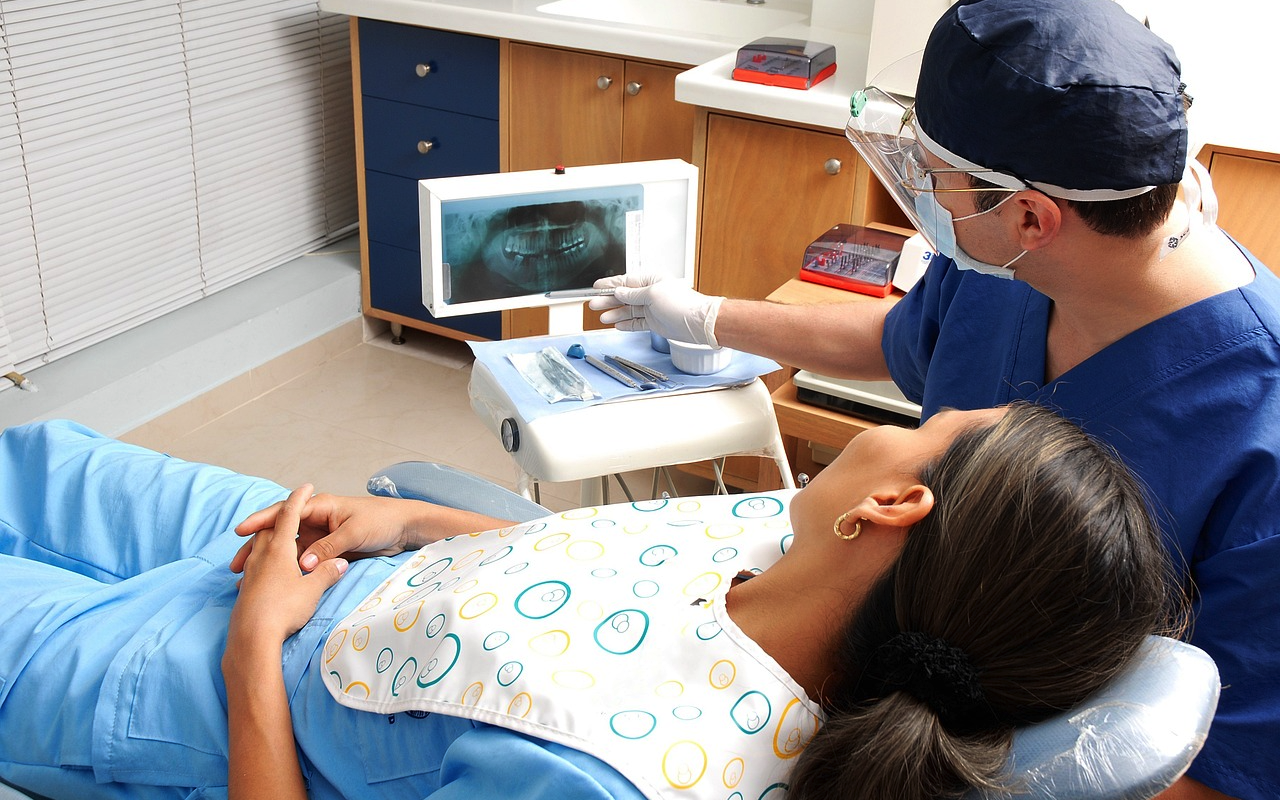
Have you ever cringed at the thought of a root canal? You're not alone. For years, endodontic treatment carried a reputation for being uncomfortable and time-consuming. But the field of endodontics has entered a new era, one that embraces cutting-edge technology, minimally invasive techniques, and data-driven care. Today, endodontists aren't just dental specialists; they’re tech-savvy professionals equipped to save teeth more efficiently and with far less discomfort.

Patient Testimonials

Nowadays, even healthcare professionals need marketing to reach more patients and offer their expertise throughout the world. In fact, not just healthcare professionals but also healthcare businesses need marketing to build their goodwill and market reputation. But what is the best way to market your services or businesses in the healthcare industry? Getting your patients to tell about their experience.

CPR Training

Cardiopulmonary resuscitation (CPR) is a lifesaving skill that everyone should learn. In medical emergencies like cardiac arrest, choking, or drowning, the ability to perform CPR can mean the difference between life and death. With the rising awareness of public safety, more individuals and businesses are recognizing the need for CPR training to create safer communities.

Smartwatch

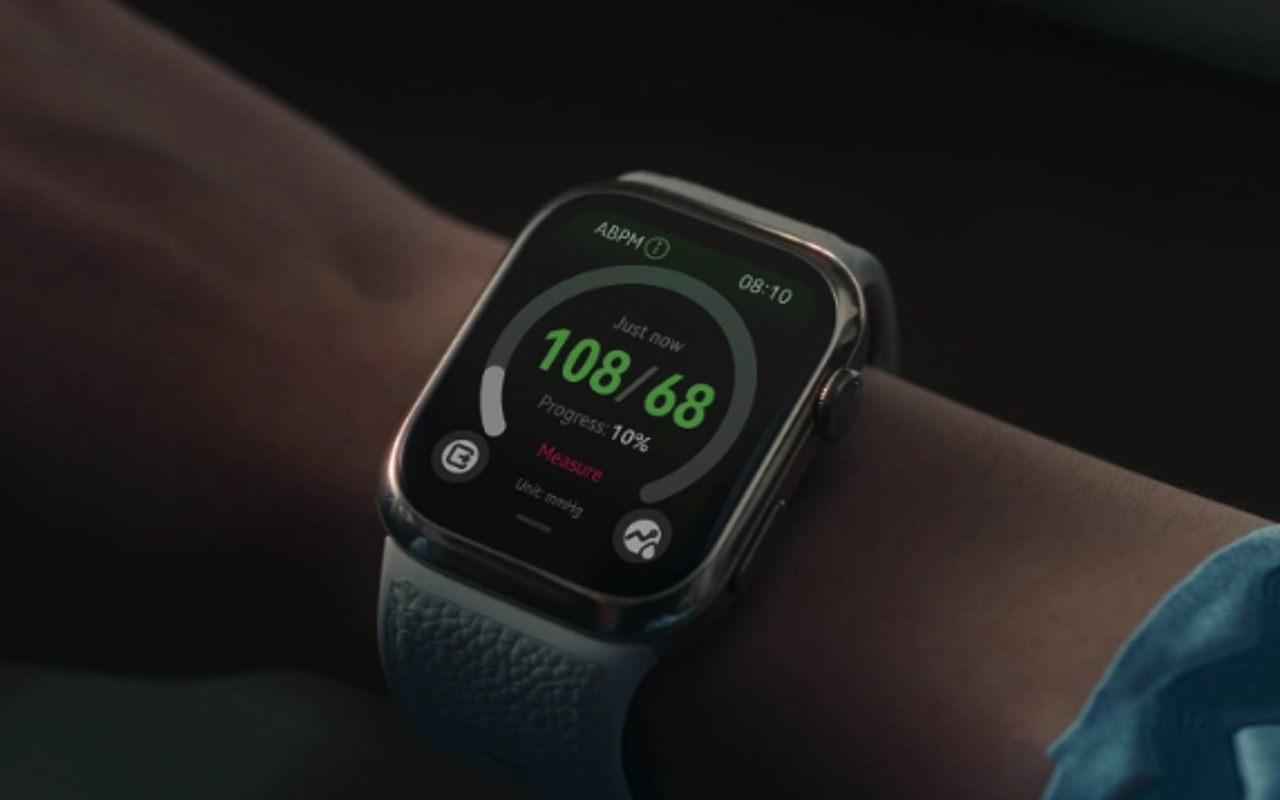
Smartwatches have evolved from simple step counters to advanced health monitors, promising to detect serious medical conditions. Many users rely on them for heart rate tracking, sleep analysis, and even emergency alerts. But how accurate are these features when it comes to detecting life-threatening issues? While smartwatches provide useful insights, they are not medical devices and should not replace professional diagnosis. However, they can serve as early warning systems, prompting users to seek medical advice when something seems off. In this article, we explore the real capabilities of smartwatches in detecting heart problems, sleep disorders, and emergencies.

Stem Cells

One of the most groundbreaking developments in modern oncology is CAR T therapy, a revolutionary approach that harnesses the power of a patient’s own immune system to fight cancer. This method involves genetically modifying T cells to express chimeric antigen receptors (CARs), allowing them to specifically target and destroy cancer cells. While CAR T therapy has shown remarkable success in treating hematologic malignancies such as leukemia and lymphoma, researchers are now exploring ways to enhance its efficacy using stem cell-derived approaches. By integrating stem cell technology into CAR T development, scientists aim to improve treatment scalability, reduce side effects, and expand applications to solid tumors.

Patient Records

The healthcare sector has always been at the forefront of adopting innovations that improve patient care, but as these systems become more digital, protecting sensitive patient information has never been more critical. From Electronic Health Records (EHRs) to telemedicine platforms, healthcare organizations manage a vast volume of personal and medical data. This makes them a prime target for cybercriminals.

Cybersecurity Challenges

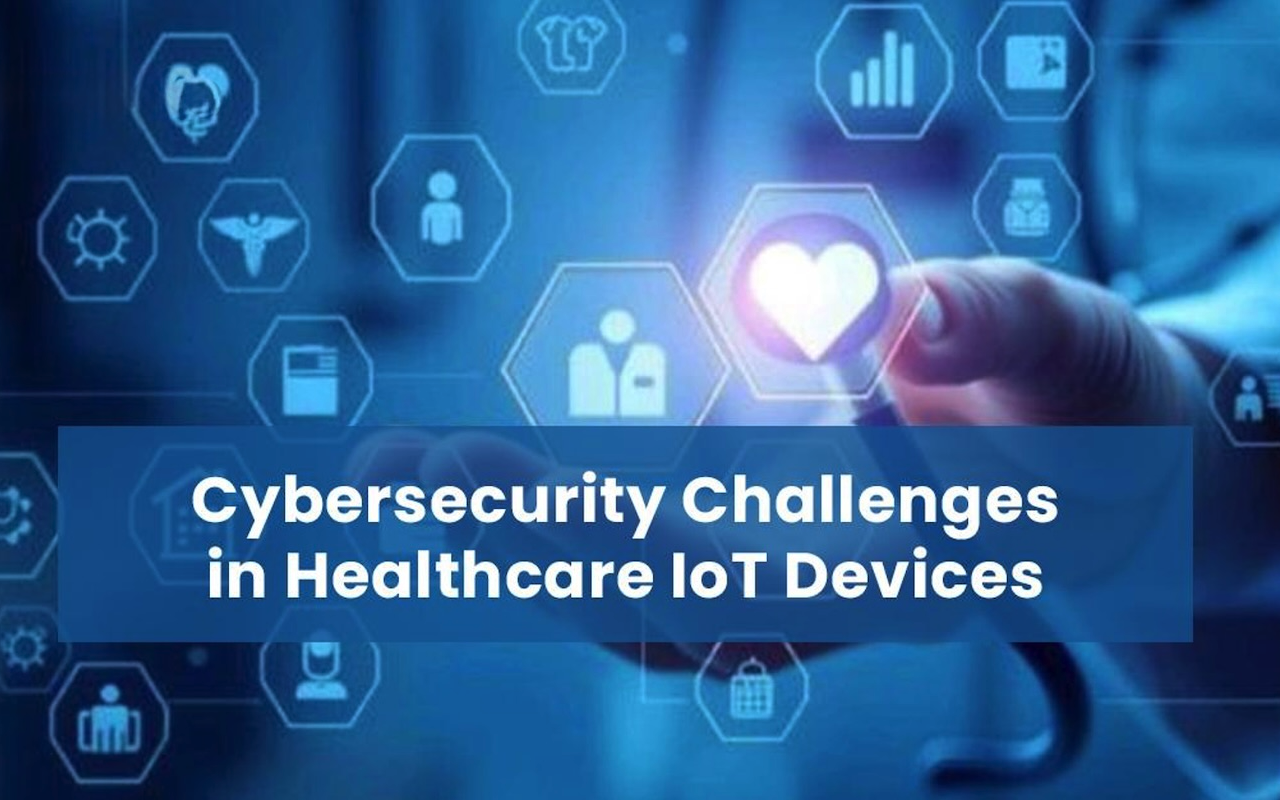
The rise of IoT in healthcare has changed how hospitals and clinics care for patients. From smart medical devices to remote patient monitoring systems, Internet of Things (IoT) technology is making healthcare faster, more accurate, and more connected. But this progress comes with serious cybersecurity risks.

Labor Workers

Every business needs to manage costs while ensuring employees are protected in case of workplace injuries. One major factor influencing insurance expenses is the classification of job roles. Insurance providers use a structured system to determine risk levels based on job duties. Here's how industry classification codes impact worker's compensation rates.