
Magento is rightfully regarded as one of the most successful and efficient tools to establish a modern online shop. This solution offers a good opportunity to realize even the most complex and large-scale e-commerce concepts.

For more than two decades, building a website required specialized knowledge — coding, design skills, or the budget to hire a professional. This kept many individuals, small businesses, students, freelancers, creators, retirees, and nonprofit groups offline because the process felt overwhelming.
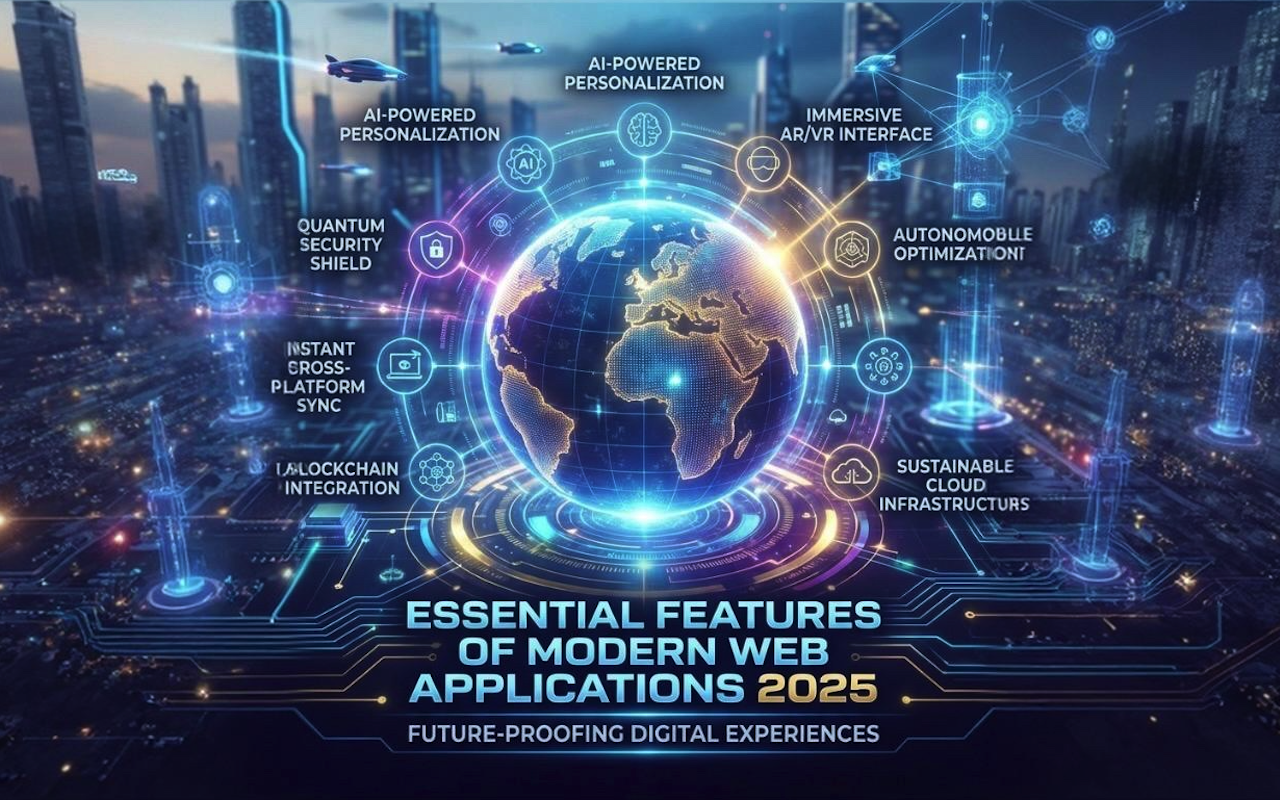
Building a web application in 2025 is no longer just about getting a functional product online. Users expect seamless experiences, instant responsiveness, and security they can trust. The stakes are higher than ever. A single slow-loading page can cost you conversions, and a security vulnerability can destroy your reputation overnight.
The landscape of the internet changes with breathtaking speed. What we considered cutting-edge just a few years ago now feels obsolete. As someone who has spent years analyzing and working within the digital infrastructure space, I have watched web development evolve from simple static HTML pages into a complex ecosystem of distributed computing, artificial intelligence, and immersive user experiences. Understanding this evolution is not just for developers. It is essential for businesses, stakeholders, and anyone interested in how the digital world functions under the hood.
In today’s digital age, web development has emerged as the foundation of every online business, organization, and personal brand. From e-commerce stores to educational platforms, websites serve as the digital front doors to the world. Web development refers to the process of creating, designing, and maintaining websites and web applications that are functional, visually appealing, and user-friendly. As technology continues to evolve, web development now includes more advanced capabilities such as responsive design, cloud integration, and AI-driven interfaces.
You’ve done the hard part—nailed the product, got people browsing, carts filling up. But then the checkout page loads like it needs a nap. Sound familiar? Catchy ads and influencers might get people in the door, but real success comes down to how smoothly everything runs after that. It’s about tech that works, loads fast, ranks high, and makes customers feel like hitting “Buy Now” is the most natural thing in the world. That’s where real web development steps in, and not the cookie-cutter kind you get from random freelancers on the other side of the globe.
To be honest, I expected 2025 to be dominated by AI talk. But the reality is different. Developers are tired of the endless hype. We just want to build websites that work and keep users happy, not frustrated.
Beyond just the design or content, building an effective website is about creating a platform that reflects the brand, serves the audience, and supports business objectives. It’s a well-known fact that the first impression a consumer gets from your business often comes from your website.
Have you ever thought about why so many new-age websites run so smoothly? Fast loading, code-splitting, and responsiveness for every screen size–these are some common hacks that make websites smooth.
Framer development has transformed the way designers and developers create interactive, responsive, and highly animated user interfaces. In 2025, Framer isn’t just a design tool; it’s a comprehensive platform that bridges the gap between design and development. Whether you’re a beginner or a professional looking to enhance your UI/UX skills, mastering Framer development can significantly boost your career. With drag-and-drop components, real-time collaboration, and advanced animation tools, Framer enables you to create prototypes that are both visually stunning and production-ready. This guide will walk you through everything you need to know about Framer development in 2025, from basic concepts to advanced best practices.